
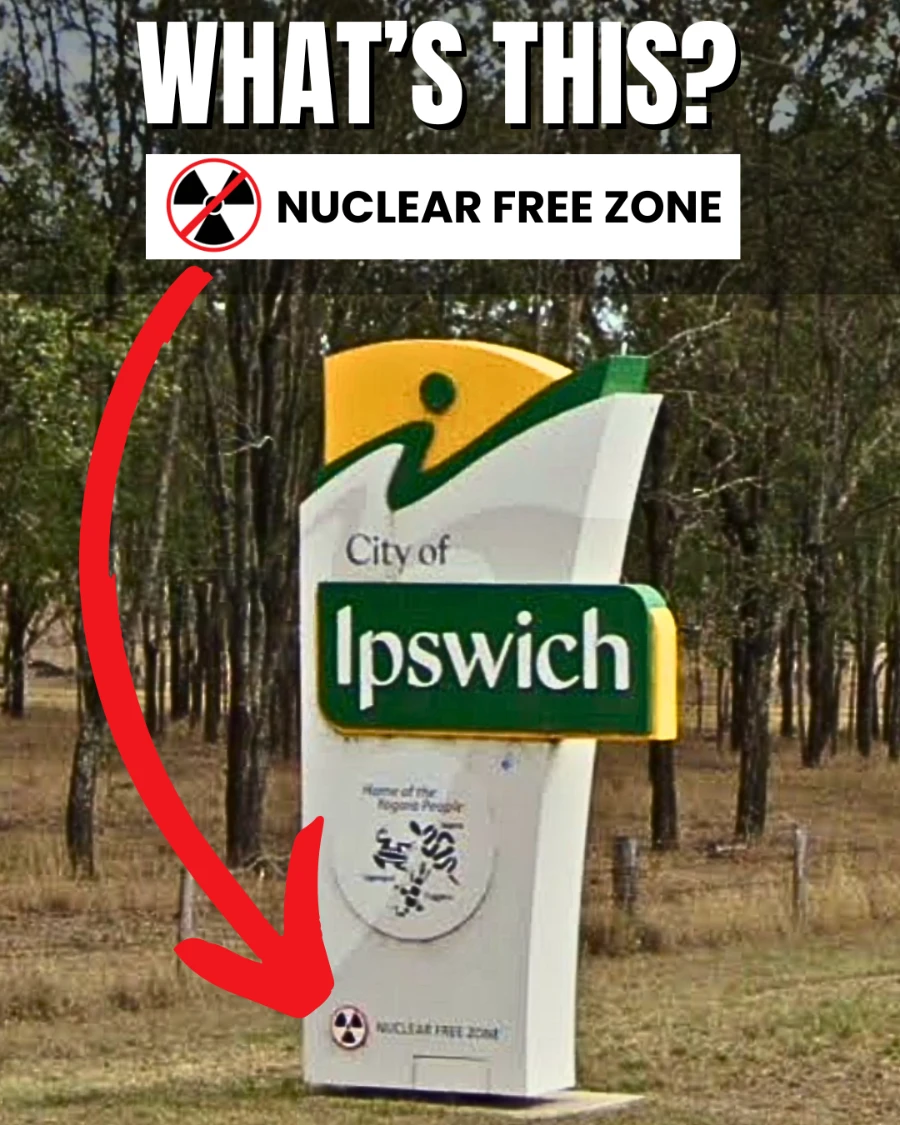
Nuclear Free Signs at a Glance
- First in Queensland. Ipswich declared itself a nuclear free zone on 16 December 1982. It is symbolic but council keeps honouring it.
- The real reason. Ipswich was shortlisted for a uranium enrichment plant. Council declared nuclear free to fight it. The Ipswich Trades and Labor Council backed it. Unions refused to handle uranium. Signs went up within weeks.
- Still going. Council has reaffirmed the stance 5 times since (1995, 1999, 2006, 2023, 2024). The current motorway welcome signs went up ~2015/16, not the 1980s. Brisbane appears to have lost its nuclear free signs. Lismore voted to remove theirs in 2024.
🔢 By the Numbers
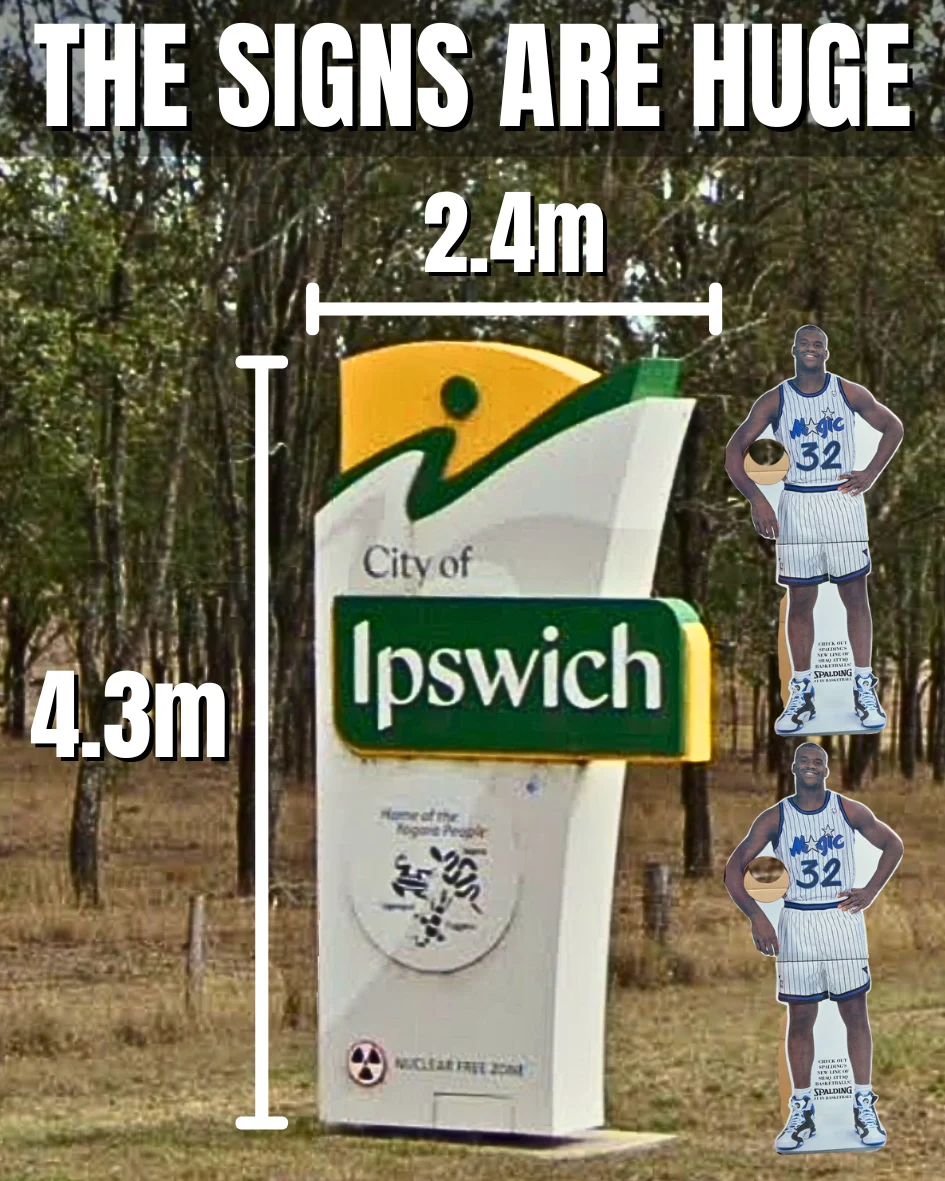
- 4.3m x 2.4m — Size of City of Ipswich motorway signs (source)
- 150,000+ — vehicles per day that see a nuclear free zone sign entering Ipswich
- 100+ — Australian councils that made similar declarations
- 44 — councils still members of the Australian Nuclear Free Zones Secretariat as of 2021
- 3 — Queensland councils that declared nuclear free at the same time in 1982: Ipswich, Pine Rivers and Caboolture
- 5 — times Ipswich council has reaffirmed the stance since (1995, 1999, 2006, 2023, 2024)
- ~2015/16 — when most of the current gateway signs carrying the message were installed
Why on earth does it say “Nuclear Free Zone” on all the welcome to Ipswich motorway signs?
You know the ones…
The Main 5 Coming into Ipswich:
The Warrego at Marburg

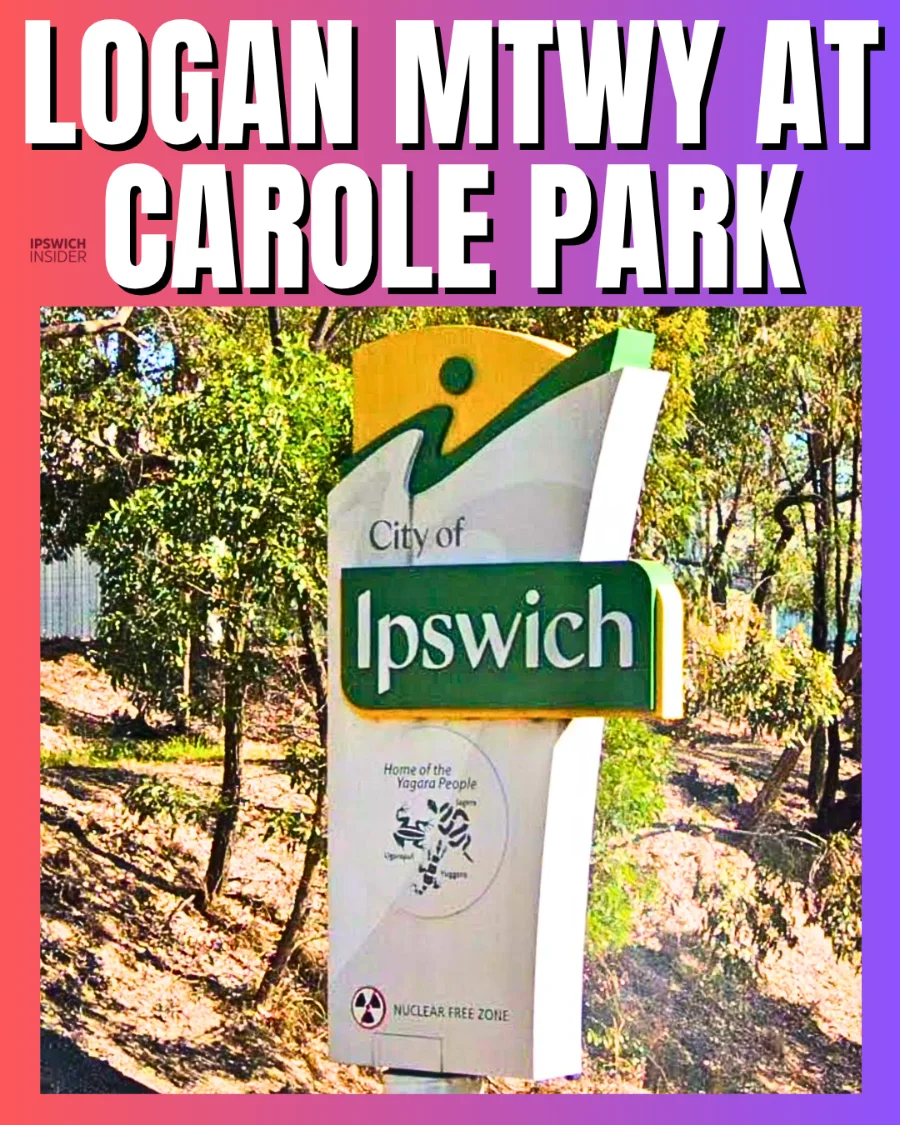
The Logan Motorway at Carole Park
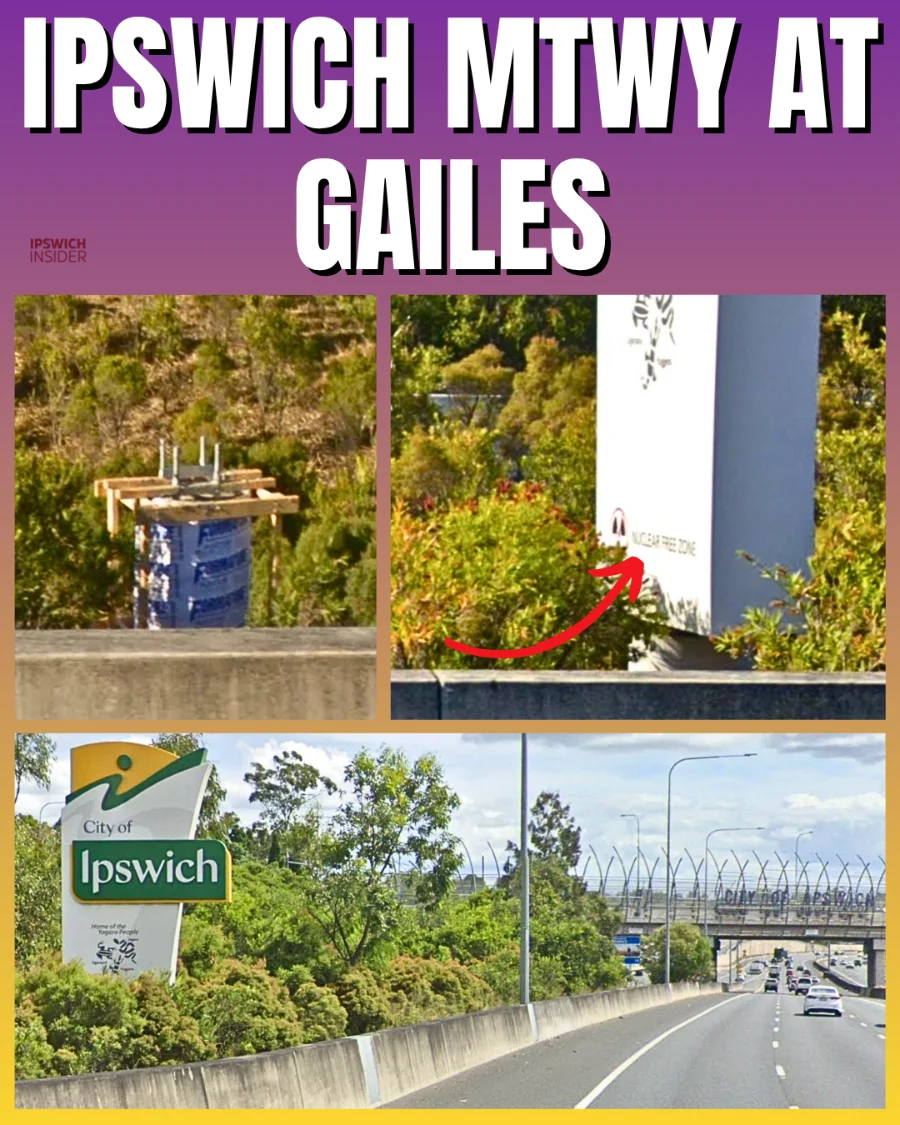
The Ipswich Motorway at Gailes
The Centenary Motorway at Camira

The Cunningham at Mt Forbes
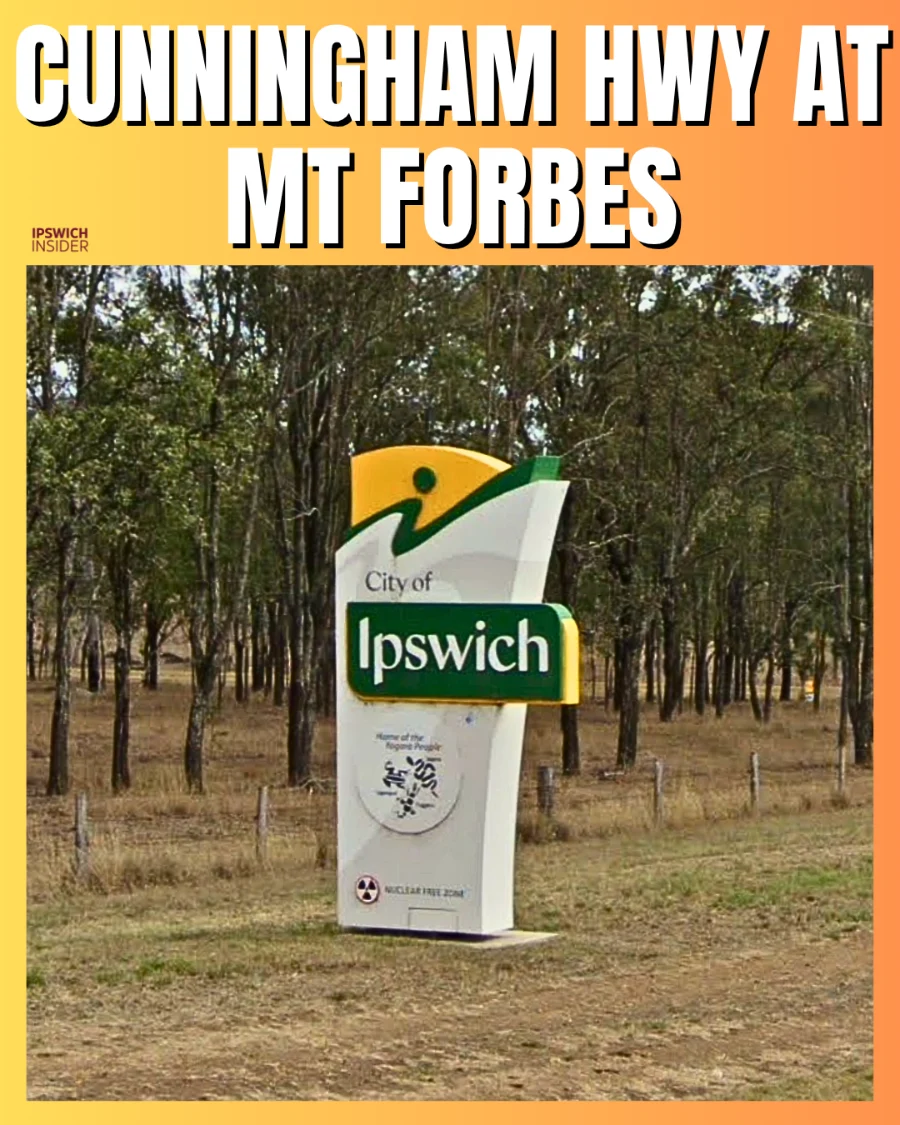
150,000+ people per day probably see these signs.
And they all talk about this Nuclear Free Zone.
But what is it and why is it there?
Have you ever wondered?
Let’s jump right in and find out.
More Ipswich Gold
Jump to:
Ipswich Was Selected as a Potential Uranium Enrichment Plant Site
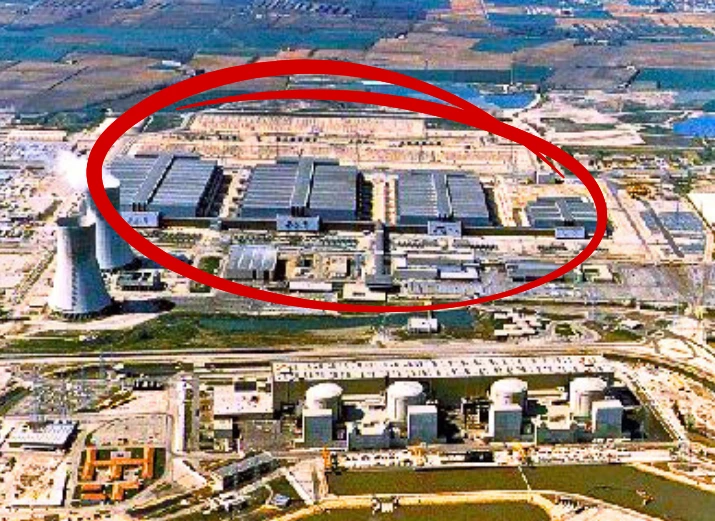
Here is an enrichment plant in France that was shut down in 2012 (Source). Was Swanbank the Ipswich location earmarked to be a nuclear site?
In the early 1980s, the federal government set up the Uranium Enrichment Group of Australia. 4 mining companies were tasked with finding a site for a uranium enrichment plant.
Their shortlist for Queensland?
Ipswich, Boonah and Caboolture.
The community pushed back.
On 16 December 1982, Ipswich City Council voted to declare the city a nuclear free zone.
The first in Queensland to do it.
Details
A January 1983 edition of the Campaign Against Nuclear Power newsletter confirms the Ipswich declaration was made “in response to proposals for a uranium enrichment plant” in the area.
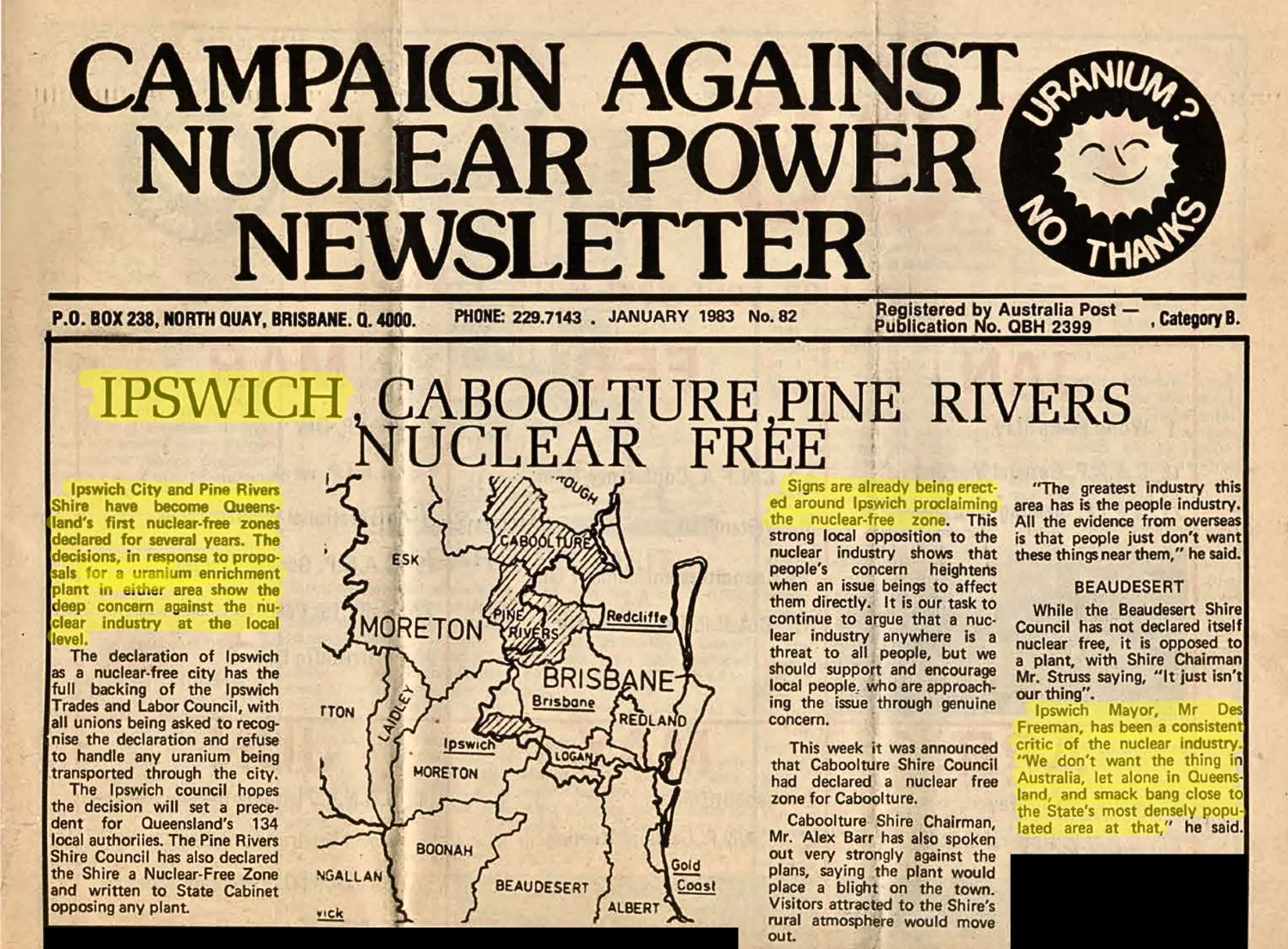
Campaign Against Nuclear Power Newsletter, Issue 82, January 1983 (Source)
Council did not just pass a motion and move on.
The Ipswich Trades and Labor Council gave it full backing. Unions were asked to refuse to handle any uranium transported through the city.
Pine Rivers and Caboolture declared nuclear free at the same time. Same reason.
Signs were going up around Ipswich by January 1983. Weeks after the vote.
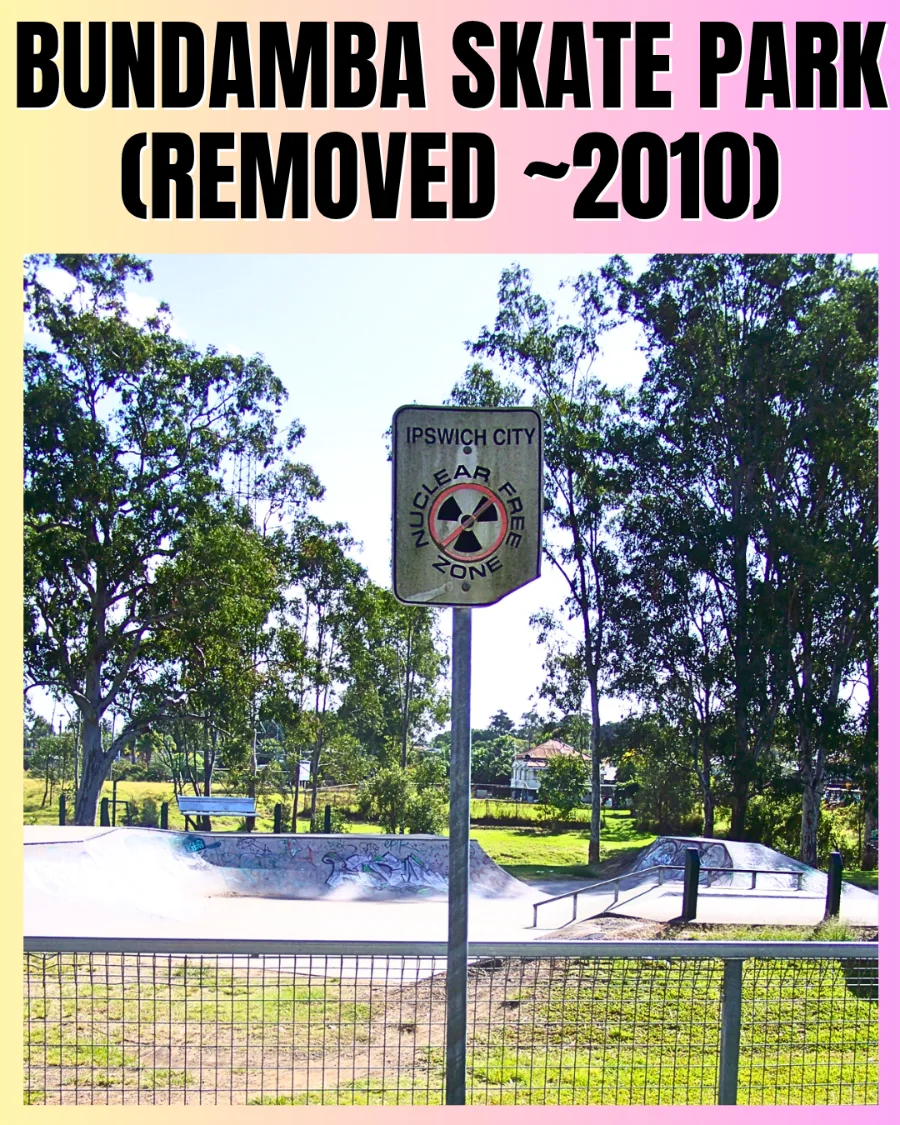
It’s possible this was one of the original 1982 Nuclear Free Zone signs put up around Ipswich.
What Did Declaring Nuclear Free Actually Involve?
It was not a law.
It was a council resolution.
A motion was put to a council meeting, councillors voted, and it became an official council position.
This is what happened:
- Signs went up almost immediately
- Unions backed it by refusing to handle uranium
- The planning scheme was later updated to list nuclear industry as an inconsistent land use, meaning council would be unlikely to approve any nuclear development application
- Ipswich joined the Australian Nuclear Free Zones Secretariat, a network of like-minded councils that lobbies politicians and shares information. Membership is by resolution and subscription fee.
Could it actually stop anything?
Not on its own.
The state or federal government could override it.
Today, Queensland’s Nuclear Facilities Prohibition Act 2007 and federal law already ban nuclear facilities anyway.
But in 1982, those laws did not exist.
The council resolution and the union backing were the only local tools available.
Why Was Nuclear Such a Big Deal in the Early 1980s? Why Did Anyone Care?
The Cold War was at its peak.
The US and Soviet Union had 10,000s of warheads pointed at each other. People genuinely believed nuclear war was coming.
In 1979, the Three Mile Island reactor in the US partly melted down. It terrified people worldwide.
Australia had its own reasons. The British tested nuclear weapons at Maralinga in the 1950s and 1960s. Aboriginal communities were exposed to radiation. That was not ancient history in 1982.
Australia was (and still is) also sitting on some of the world’s largest uranium reserves. The government wanted to mine and export it. Protesters saw a direct line to nuclear weapons.
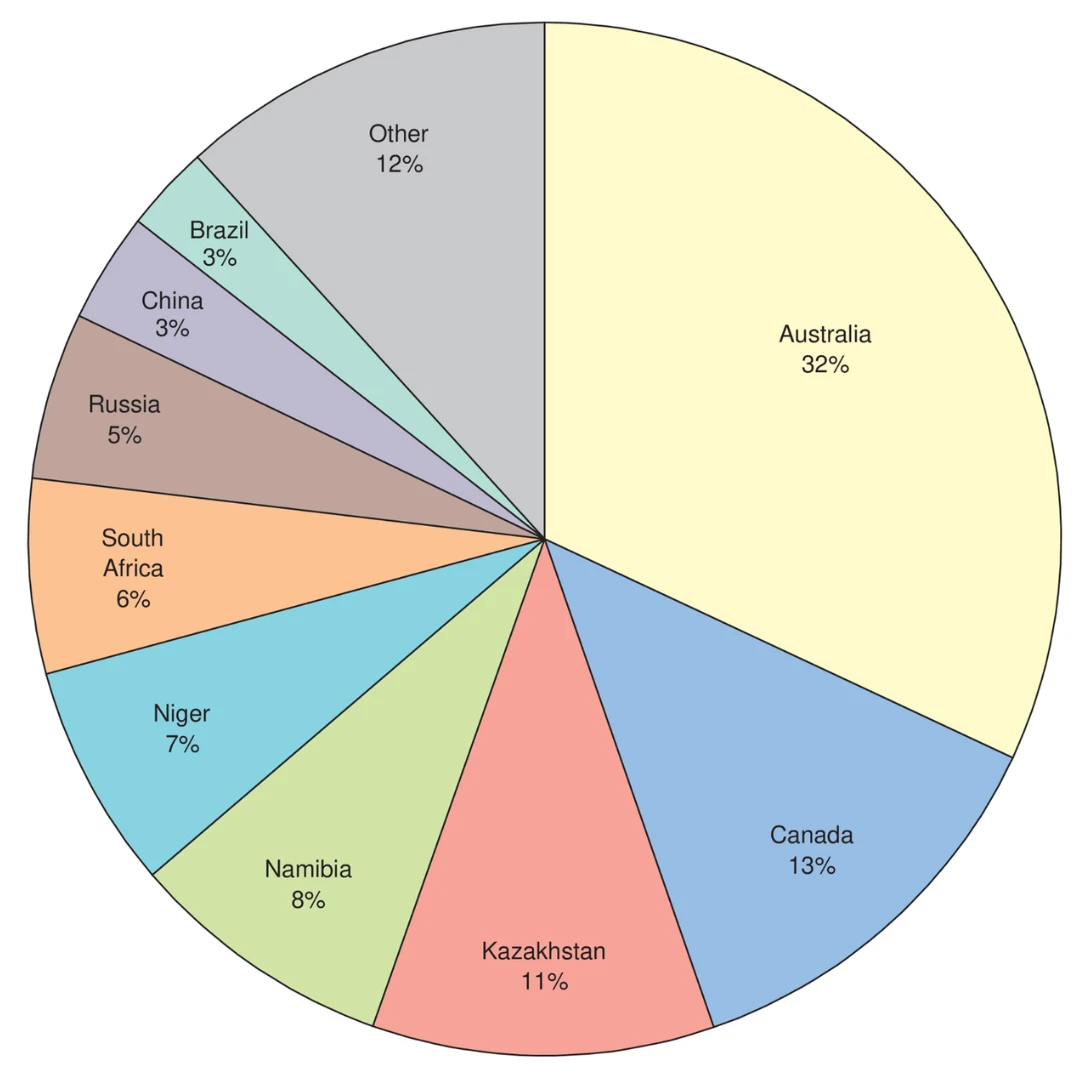
2024 global distribution of uranium resources (Source)
On Palm Sunday 1982, 100,000 Australians marched in anti-nuclear rallies. By 1985 that hit 350,000. Over 100 councils declared themselves nuclear free zones. Fremantle was first in 1980. Sydney followed.
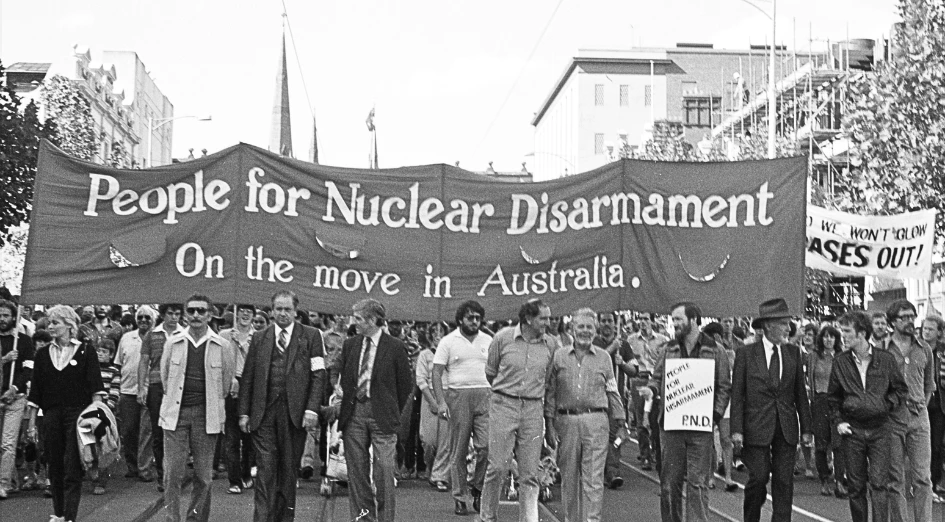
1982 – Palm Sunday – Melbourne – 40,000 march in Nuclear Disarmament protest
Ipswich was part of that wave. But as we covered above, Ipswich also had something specific and local driving it.
The State Government Was More Involved Than Anyone Knew
The uranium enrichment proposals were public knowledge in 1982. That is what triggered the declaration.
But confidential Queensland cabinet documents released in 2013 under the 30 year rule revealed the Bjelke-Petersen government was formally driving it behind the scenes. Not just watching from the sidelines.
When the cabinet documents came out in 2013, Tully told the Queensland Times he was unaware of the formal government investigation and called it outrageous.
PM Bob Hawke killed the plan in 1984.
Why Does Ipswich Keep Reaffirming It?
This is not just an old motion from 1982 gathering dust. Council has come back to the issue 5 times since.
- 1995 — France announced nuclear testing in the Pacific. Ipswich council happened to be meeting that same day. They condemned it on the spot and banned French goods and services.
- 1999 — Council formally re-declared Ipswich a nuclear free zone.
- 2006 — Reaffirmed during national debate over uranium exports.
- 2023 — Unanimously endorsed the ICAN Cities Appeal. Moved by Cr Kate Kunzelmann.
- 2024 — Reaffirmed again. Moved by Cr Andrew Antoniolli. The motion: “That this Council reaffirms its long-held stance and historic declaration that the City of Ipswich remain a nuclear free zone.” It passed.
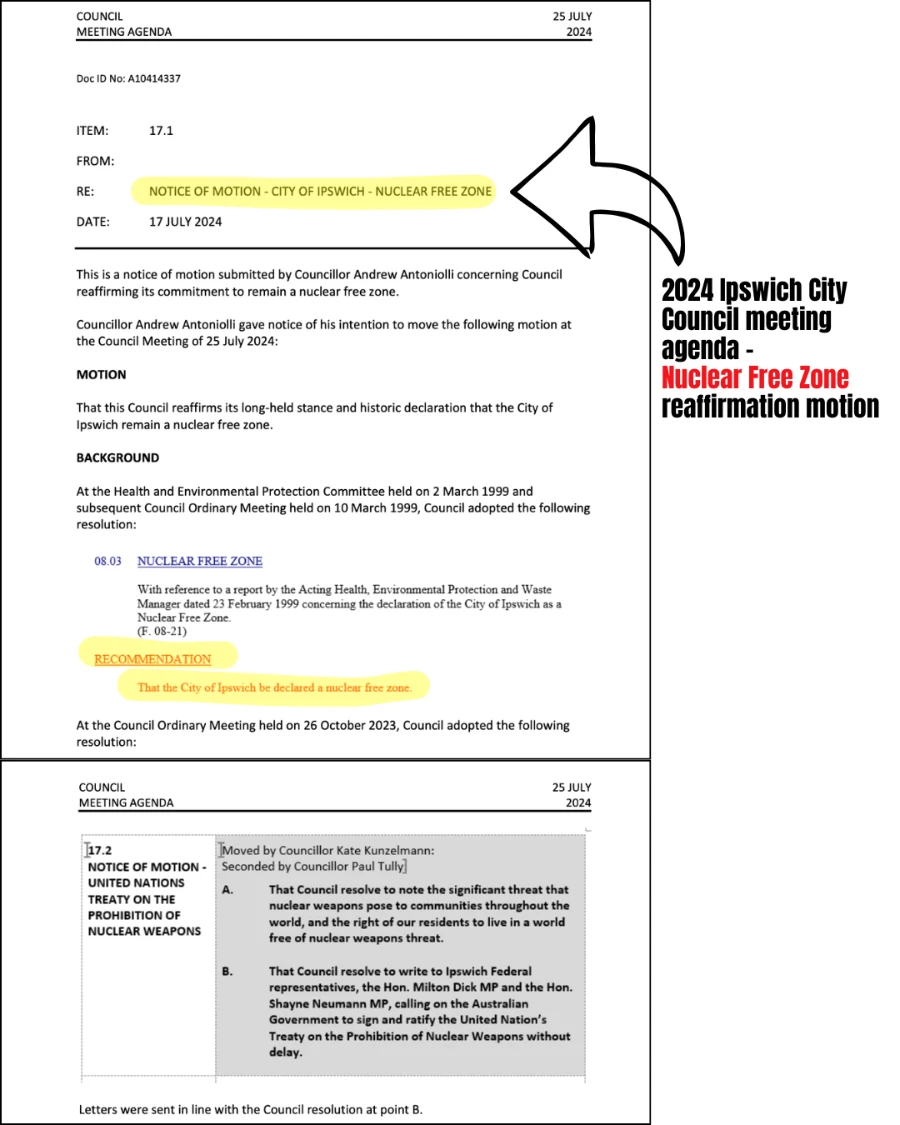
Each reaffirmation is just a fresh council motion. Someone moves it, council votes, the minute records it. There is no special legal procedure. It is a vote to say: we still mean it.
Ipswich is still a member of the 44 council Australian Nuclear Free Zones Secretariat (as of 2021).
It is not just Tully driving it. Kunzelmann, Antoniolli and others have all put their name to it in recent years.
The Ipswich Welcome Signs Were All Installed 2015-ish
Most people assume the Ipswich welcome signs are old leftovers from 1982. That is why they say Nuclear Free Zone, right?
Not true. The signs are relatively new.
Here is the Google Street View of the Centenary Motorway sign coming into Springfield.
Click View on Google Maps, then click See latest date.
From there you can scroll back through old images of this exact spot going back to 2007.
You will see that between March 2014 and September 2015 this sign went up.
5 went up 2015/16 on the major motorway approaches. The Nuclear Free Zone wording was carried onto brand-new signs decades after the original declaration.
That alone makes Ipswich stand out. Brisbane campaigners were calling in 2021 for their nuclear free signs to be reinstated. Lismore voted in late 2024 to strip nuclear free wording from its entrance signs.
Ipswich keeps the nuclear free wording on its most prominent road signs. The ones announcing the city to everyone driving in. Ipswich remains the nuclear free zone council of South East Queensland.
Sources
- Ipswich First, 2021 — Cr Paul Tully’s account of the declaration and its history
- ICAN Australia — the 2023 Cities Appeal motion text
- Nuclear Australia, 2013 — the cabinet documents story from the Queensland Times